
 Español
 한국어
한국어 العربية
 ไทย
ไทย
Heat-resistant cable tray
A heat-resistant cable tray is a supporting structure designed to carry and protect electrical cables in environments exposed to elevated temperatures. It is commonly used in power plants, steel mills, glass factories, petrochemical facilities, tunnels, and any industrial setting where ambient or localized heat can damage standard wiring systems. By providing mechanical support and thermal protection, it helps to maintain cable performance, extend service life, and improve overall safety and reliability.The main feature of a heat-resistant cable tray is its ability to withstand high temperatures without significant deformation, loss of strength, or degradation of protective coatings. Depending on the operating conditions, these trays may be designed for continuous exposure to moderately high temperatures or for short-term exposure to extreme heat, such as in areas near furnaces, boilers, or exhaust ducts. The selected materials, coatings, and structural design must all contribute to stable performance under these demanding conditions.Materials typically include stainless steel, heat-resistant alloys, or specially treated galvanized steel. Stainless steel is widely used due to its combination of mechanical strength, corrosion resistance, and good performance at elevated temperatures. In some cases, aluminum or composite materials with heat-resistant properties are chosen to reduce weight while still offering adequate thermal stability. The choice of material is driven by temperature range, environmental factors such as humidity and chemical exposure, and load-bearing requirements.The surface treatment of a heat-resistant cable tray is also critical. High-temperature-resistant coatings or finishes may be applied to improve corrosion resistance and prevent oxidation at elevated temperatures. In corrosive atmospheres, such as chemical processing areas or coastal installations, a combination of heat resistance and anti-corrosion performance is essential to avoid premature failure. Some designs also incorporate fire-retardant or low-smoke properties to enhance safety in enclosed spaces.Structurally, heat-resistant cable trays are engineered to maintain load capacity even when subjected to thermal expansion, vibration, and mechanical stress. Typical configurations include ladder-type, perforated, or solid-bottom trays. Ladder-type trays allow for better air circulation and heat dissipation around the cables, which can be advantageous in high-temperature environments. Proper spacing and support intervals are calculated to prevent sagging or distortion when the tray and cables expand under heat.Installation of heat-resistant cable trays requires careful planning. Engineers must consider routing away from direct flame, selecting appropriate supports and fasteners that can tolerate similar temperatures, and providing sufficient clearance for thermal expansion. Compatibility with heat-resistant cable clamps, covers, and accessories ensures a complete system that performs reliably as a unit.By using a heat-resistant cable tray system, facilities can reduce the risk of cable insulation failure, electrical faults, and unscheduled downtime. It supports compliance with safety standards and fire protection regulations while contributing to efficient cable management. In demanding industrial environments, a properly designed and installed heat-resistant cable tray is an essential component for long-term, stable operation of electrical and control systems.
Products
Category:
-
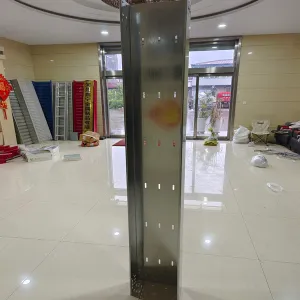
Price of tray type cable tray
Category: Tray type cable trayBrowse number: 149Number:Release time: 2026-06-06 18:40:30Many mechanical and electrical procurement and construction teams pay the most attention to the price of tray type cable trays when budgeting. As a mainstream wiring profile for both strong and weak electricity, tray type cable trays have a wide range of market prices, which are mainly determined by material selection, surface technology, plate thickness, customization requirements, and procurement volume. Our factory is a source production factory, with no intermediary markup, transparent and actual pricing throughout the process, no hidden costs, and suitable for various sizes of engineering... -
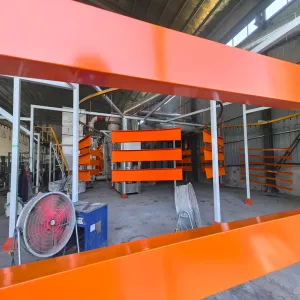
Types of export specific cable trays
Category: Export specific cable trayBrowse number: 199Number:Release time: 2026-06-07 17:38:37The classification of export specific cable trays strictly follows the international foreign trade system classification, which is different from the conventional domestic classification method. It is finely classified based on protective structure, material technology, usage function, and adaptation environment. The category boundaries are clear and highly targeted, and can accurately match the construction standards, environmental conditions, and acceptance systems of different countries around the world, meeting the differentiated material selection needs of various overseas mechanical and...
News
Category:
-
[Company News]Classification of Exterior Processes for Cable Trays
2026-06-05 16:52:08
Case
Category:
No search results found!
Video
Category:
No search results found!
Download
Category:
No search results found!
Job
Category:
No search results found!
Featured Products
No search results found!



 Phone
Phone